
Corporate housing is fully furnished, professionally managed temporary housing rented for 30 days or longer, built for people who need a real home base without signing a traditional lease. Business travelers, relocating employees, military families, and interns use it most. The core appeal is simple: a private, apartment-style space with furniture, a kitchen, and utilities already sorted, so you skip the hotel routine without committing to a year-long lease.
TL;DR:
- Corporate housing typically involves longer stays of 30 days or more, offering full kitchens and privacy, making it more suitable than hotels for extended assignments.
- Pricing is usually all-inclusive, but providers vary in what utilities, cleaning, and services are bundled, so confirm the exact costs before booking.
- The lease is often a corporate agreement with the employer as the tenant, evaluating the company’s credit, and includes clauses on substitutions and early termination for flexible staff rotations.
- Furnishings and amenities should be confirmed in writing to prevent surprises, especially regarding inventory, deposit refunds, and maintenance services.
- Most occupants stay around three months on average, with costs decreasing per night when commitments extend beyond two weeks, making it budget-friendly for relocations and assignments.
Table of Contents
- What’s Included in a Corporate Housing Unit?
- Who Uses Corporate Housing, and Who Pays for It?
- How Does Corporate Housing Work? Leasing and Booking Explained
- Corporate Housing vs. Hotels vs. Furnished Apartments: What’s the Real Difference?
- What Does Corporate Housing Cost, and How Long Do People Stay?
- What Lease and Insurance Terms Should You Review Before Booking?
- When Should You Choose Corporate Housing Over Other Options?
- How Phoenix Furnished Rentals Approaches Corporate Housing
- Book Corporate Housing in Phoenix Without the Guesswork
- Sources
- FAQ
What’s Included in a Corporate Housing Unit?
A corporate housing unit is meant to be move-in ready the day you arrive, not a blank apartment you have to furnish yourself. That’s the entire point of the category: you show up with a suitcase, not a moving truck.
Most units include:
- Living room and bedroom furniture, including a bed, sofa, and dining set
- A full kitchen with appliances, cookware, and basic dishware
- Linens and towels
- In-unit laundry or shared laundry access
- Wi-Fi and a TV, often with streaming access
- Housewares like a coffee maker, iron, and cleaning supplies
Utilities are frequently bundled into the rate, and some providers include periodic maintenance or optional cleaning service. None of this is standardized across the industry, though. Providers run different business models, from single-unit operators to larger apartment-community programs, and furnishings and inventory levels vary by provider. Ask for a written furnishings inventory before you book. It’s a five-minute request that prevents an unpleasant surprise on move-in day.
Who Uses Corporate Housing, and Who Pays for It?
Corporate housing serves a specific set of occupants: employees relocating for a new role, traveling nurses and other medical staff on assignment, consultants working a project away from home, and interns placed for a summer or semester. Military families moving between bases are common users too.
Payment splits two ways:
- The employer books and pays directly, often under a corporate lease where the company is the named tenant.
- The individual books and pays out of pocket, then submits the cost for reimbursement.
Employers lean toward the first model because it centralizes billing, gives HR predictable costs across multiple employees, and puts people in better living conditions than a string of hotel rooms would. It also simplifies logistics when someone’s assignment gets extended or cut short.
How Does Corporate Housing Work? Leasing and Booking Explained
A corporate lease works differently than the lease you’d sign for your own apartment. The business, not the individual, is often the named tenant, which means the landlord evaluates the company’s credit and payment history rather than a single employee’s. The company also carries the legal responsibility for rent and lease compliance, even though the person actually living there might change over the term.
Booking typically happens through one of three routes:
- Directly with a housing provider or property manager
- Through a corporate relocation vendor that handles logistics for the employer
- Through a managed corporate housing program that bundles multiple properties under one contract
Whichever route you take, expect the contract to spell out a minimum stay (usually 30 days), when payment is due, and what happens if the assigned occupant changes. That last piece, often called a substitution clause, lets HR swap one employee for another without renegotiating the whole agreement. Cancellation and early-termination terms should be spelled out clearly too, not buried in fine print.
Corporate Housing vs. Hotels vs. Furnished Apartments: What’s the Real Difference?
The three options solve overlapping problems, but they’re built for different timelines. A hotel works for a two-night trip. Corporate housing works for a month-plus assignment where you actually want to cook dinner and unwind in a living room instead of a bed-and-desk combo. Extended-stay hotels sit somewhere in between, offering a kitchenette and a slightly larger footprint but rarely the space or privacy of a full apartment.
- Hotels: Best for stays under two weeks, daily housekeeping, no kitchen to speak of.
- Extended-stay hotels: Built for one to eight weeks, small kitchenette, hotel-style amenities.
- Corporate housing: Built for 30+ days, full kitchen, laundry, and living space, more privacy and lower cost per night over time.
- Furnished apartments: Overlap heavily with corporate housing and are sometimes marketed under the same “serviced apartment” label, particularly for stays that stretch past six months.
The line between corporate housing and a plain furnished apartment often comes down to service. Corporate housing tends to include hospitality touches, like flexible lease terms and provider-managed maintenance, that a standard furnished rental may not.
What Does Corporate Housing Cost, and How Long Do People Stay?
Corporate housing is priced to reward longer stays. You’ll typically see a monthly rate that works out cheaper per night than a hotel room once you pass the two or three week mark, especially once you factor in that you’re not eating out every meal.
Industry reporting from the Corporate Housing Providers Association shows that average stay lengths are typically around three months, which matches the reality that most occupants are on relocation assignments, project work, or travel contracts rather than quick trips.
Pricing usually shows up as an all-in monthly rate, but what’s bundled into that rate varies. Some providers fold in utilities, Wi-Fi, and cleaning; others bill those separately. Before you commit, ask three questions: is this rate truly all-in, what’s the cleaning policy, and what deposit is required upfront. Getting those answers in writing avoids a monthly bill that’s higher than the quote you were given.
What Lease and Insurance Terms Should You Review Before Booking?
Read the lease before you sign, not after you’ve moved boxes in. A few clauses matter more than the rest: the substitution clause (can the occupant change mid-lease), the early-termination terms (what happens if the assignment ends early), the inventory clause (what furnishings are guaranteed to be there), and damage liability (who pays if something breaks).
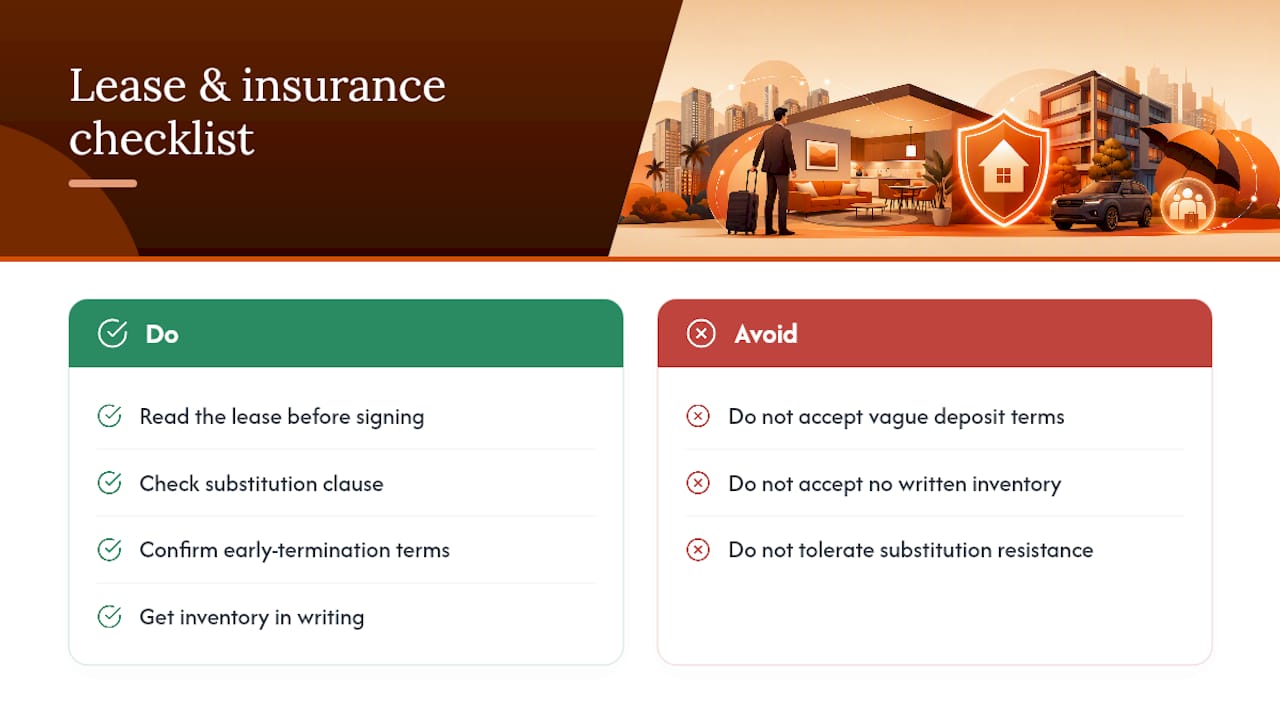
Insurance is worth a direct conversation too. Some corporate leases include coverage through the company’s policy, but plenty don’t, leaving the occupant to carry renters insurance on their own belongings. If you’re the one moving in, ask for proof of coverage rather than assuming it exists.
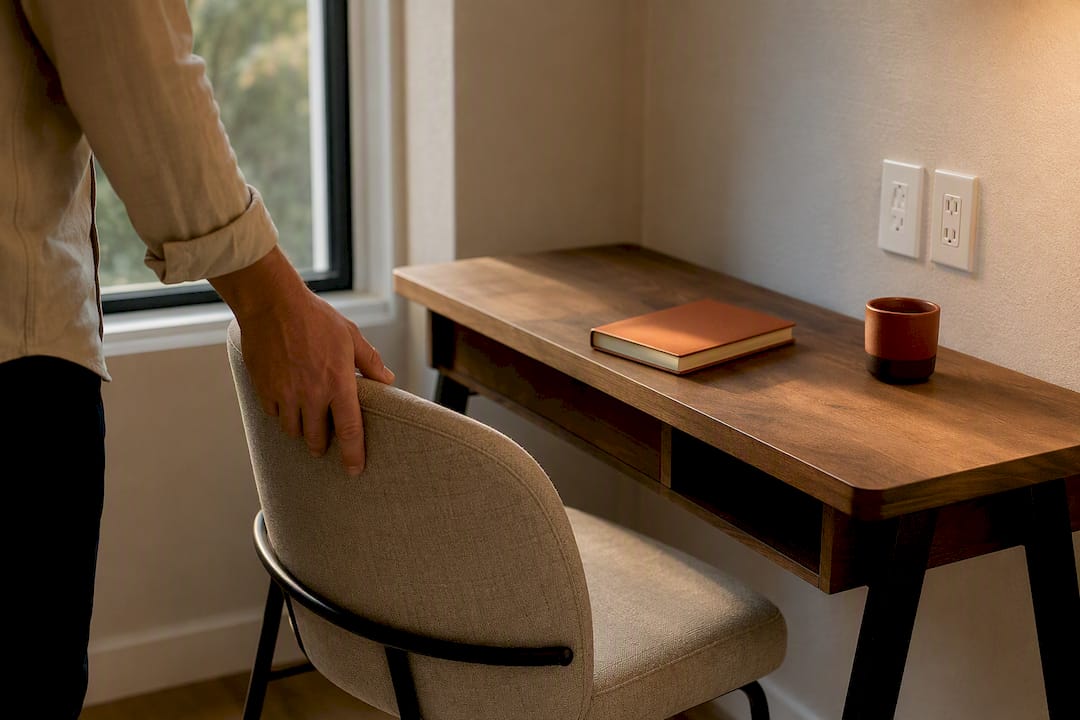
Pro Tip: Request a photo checklist of work-from-home amenities, desk, chair, outlets near the workspace, before you arrive. It takes the provider two minutes to send and saves you a frustrating first day if you’re expecting to work remotely.
Red flags worth pausing over: a provider that won’t put the furnishings list in writing, vague language around deposit refunds, or resistance to a substitution clause when your company regularly rotates employees through the same unit. Any of those is a reason to get a second opinion or look elsewhere.
When Should You Choose Corporate Housing Over Other Options?
Corporate housing fits best when your stay runs 30 days or longer, you need a full kitchen and real privacy, your employer prefers centralized billing, or you’re relocating a family that needs more than a hotel room.
- Estimate your stay length. Under two weeks, a hotel is simpler.
- Decide if you need a kitchen and laundry. If yes, corporate housing wins over an extended-stay hotel.
- Check your employer’s billing preference. A corporate lease may already be set up for this.
- Consider your neighborhood needs, proximity to an office, hospital, or base matters more than you’d think.
If none of that fits, a short-term furnished apartment or a standard month-to-month lease might serve you better.
How Phoenix Furnished Rentals Approaches Corporate Housing
One provider offers fully furnished homes in downtown Phoenix suitable for stays such as relocations, corporate assignments, and travel nursing contracts. Unit types can include studio lofts to larger multi-bedroom homes, set up with a full kitchen, in-unit laundry, and a workspace. Property pages list the specific inventory for each home, so you can see exactly what’s included before you commit.
— Sean
Book Corporate Housing in Phoenix Without the Guesswork
For those relocating to Phoenix, sending an employee on assignment, or coordinating housing for a traveling nurse, furnished rentals provide an alternative to piecing together hotel stays or committing to a year-long lease. Many units feature a full kitchen, in-unit laundry, and workspace, with flexible monthly terms that avoid locking guests into a standard 12-month agreement.
Before you book, request the furnishings inventory for your unit, confirm the all-in monthly rate, and ask about corporate billing if your employer is covering the stay. Traveling nurses heading to a Phoenix assignment can check availability near the airport directly, and relocating professionals can browse available properties to compare unit types and confirm dates. A quick message through the site gets you a straight answer on pricing and availability, usually the same day.
Sources
- StayFi glossary: corporate lease
- UpCounsel — corporate housing lease guidance
- LegalClarity — what is a corporate lease
FAQ
How does corporate housing work?
A provider furnishes a residential unit and rents it for 30 days or longer, either directly to an individual or under a corporate lease where the employer is the named tenant responsible for rent and compliance.
What is meant by corporate housing?
It means fully furnished, professionally managed temporary housing, apartments, condos, or homes, designed for business travelers, relocating employees, and others who need a home base for weeks or months rather than a single trip.
Who pays for corporate housing?
Either the employer pays directly under a corporate lease, which centralizes billing across multiple employees, or the individual books and pays out of pocket and then submits the cost for reimbursement.
What is another name for corporate housing?
It’s often called a serviced apartment or a furnished apartment, though corporate housing typically implies added services like flexible lease terms and provider-managed maintenance that a plain furnished rental may not include.
Is corporate housing cheaper than a hotel?
For stays beyond two or three weeks, corporate housing usually costs less per night than a hotel, largely because it includes a kitchen that cuts down on restaurant spending.
Recommended
- Corporate Housing in Downtown Phoenix: Why We Outshine Traditional Options
- Switching to Phoenix Furnished Rentals: Why Relocating Professionals Choose Us
- Traveling Nurse Housing Near Phoenix Airport: Find Your Home Base Today
- Top 7 Pet-Friendly Monthly Loft Rentals in Roosevelt Row for Professionals